

Hi folks! Welcome to issue #213 of Ancient Beat.
Here’s the latest ancient news. 👇
🗞 Ancient News: Top 5
Geophysical Survey Reveals Possible Hidden Chambers in Italy’s Cave of Venuses — A geophysical investigation of the Grotta delle Veneri, or Cave of Venuses, near Parabita in southern Italy’s Puglia region has identified several underground anomalies that may represent previously unknown chambers. The limestone cave preserves evidence of occupation by both Neanderthals and modern humans. It is particularly famous for two approximately 20,000-year-old female figurines carved from animal bone. The larger measures approximately 3.5 inches tall and features deep facial grooves that may represent a veil, mask, or hairstyle. The smaller stands just over 2.4 inches tall. Both depict stylized female figures with their arms positioned across their breasts and beneath their abdomens, possibly symbolizing pregnancy or fertility. Using ground-penetrating radar and electrical resistivity tomography, investigators detected potential cavities that could connect to the known cave system. These techniques reveal underground features without disturbing archaeological deposits. The anomalies have not yet been confirmed as chambers, and there is currently no evidence that they contain artifacts. However, the findings raise the possibility that additional prehistoric deposits remain concealed within the cave.
Bering Land Bridge Base Camp Reveals What Life Was Like Nearly 14,000 Years Ago — Excavations at Shég’ Xdaltth’í’, an Ice Age campsite overlooking Alaska’s Tanana River, have uncovered more than 80,000 archaeological specimens documenting human life between approximately 13,800 and 12,700 years ago. Three distinct occupation phases reveal how early inhabitants of Beringia adapted to the region’s cold, tundra-like environment. The inhabitants hunted mammoths, steppe bison, horses, and caribou, using stone and bone tools to process their kills. Inside a dwelling, archaeologists found a large stone anvil surrounded by smashed bison bones and quartz and quartzite hammerstones, suggesting that people extracted marrow and possibly rendered animal fat for food. A large earth oven stood nearby. Other discoveries include needles fashioned from bird bones, hafted stone tools, and distinctive diamond-shaped bifacial projectile points. Similar points have been found in northeastern Russia but nowhere else in Alaska, suggesting connections and possible movement across the Bering Land Bridge. The findings offer a rare glimpse into everyday life during the early peopling of North America.
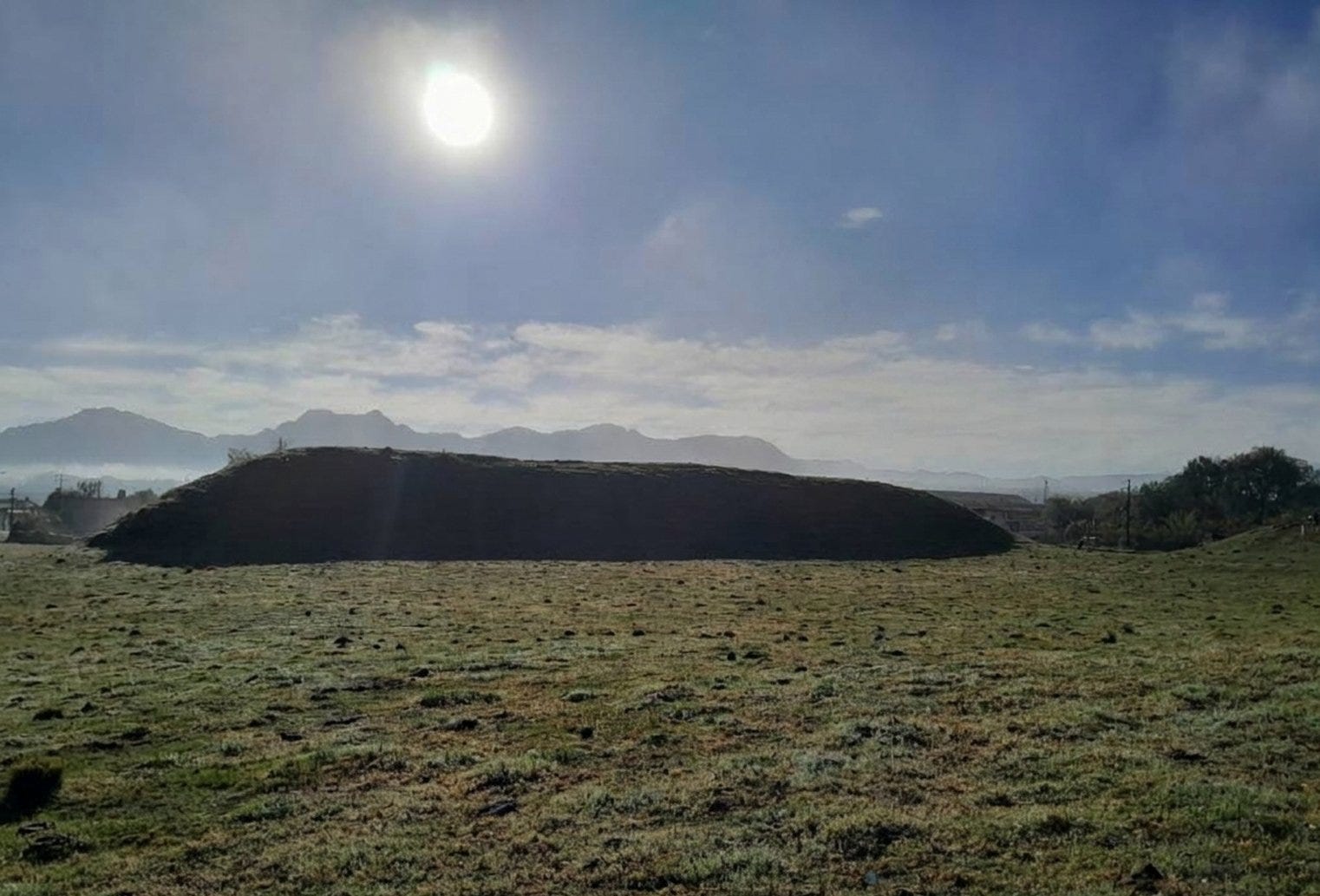
2,500-Year-Old Solar Observatory Discovered in Mexico, Revealing Ancient Astronomical Knowledge — Archaeologists have identified a solar observatory dating to approximately 1000–600 BCE at Teteles de Ávila Castillo, also known as Tetelihtic, in Mexico’s mountainous Puebla state. The complex lies east of the settlement’s Great Plaza and consists of a quadrangular courtyard flanked by two platforms. The eastern platform measures approximately 295 by 131 feet, while the western structure measures 151 by 89 feet and may have served as an observation point. Their alignment allowed observers to track the rising Sun, marking important agricultural dates in February and October, as well as solstices and equinoxes. The layout resembles the Maya Group E observatory at Uaxactún in Guatemala, making it the first confirmed example of this architectural type outside the Maya region. Tetelihtic was occupied from approximately 900 BCE to 100 CE, but offerings dating to 100–600 CE and another associated with the Totonac culture from 600–900 CE indicate continued religious activity. The discovery may reveal early cultural connections among Maya-speaking, Huastec, and Totonac populations.
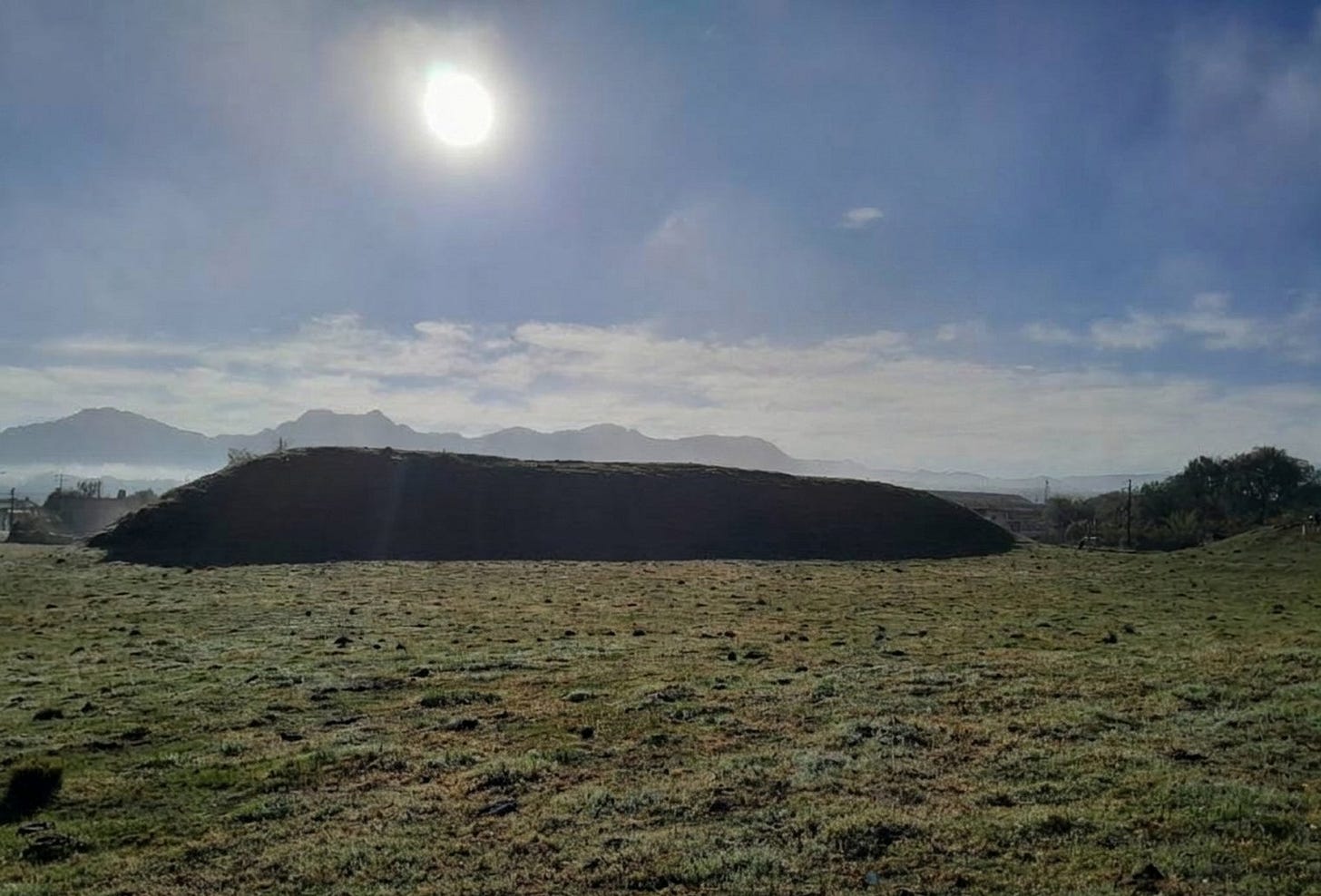
Image credit: INAH 184 Cuneiform Tablets Discovered in Hittite Royal Archive — Excavations at Kayalıpınar, the ancient Hittite city of Šamuḫa in central Türkiye’s Sivas Province, have uncovered 131 cuneiform tablets and fragments, bringing the total recovered from a royal archive to 184. The documents date to approximately 1400 BCE, during the reign of the Hittite king Tudhaliya II. Preliminary translations reveal accounts of military campaigns, epidemics, the death of an infant princess, and appeals for assistance sent to the king by military commanders. The tablets also contain information about government administration and everyday affairs, potentially offering an unusually detailed picture of life within the Late Bronze Age Hittite kingdom. Šamuḫa was an important political and religious center, particularly associated with the goddess Šauška, who was connected with love and warfare. The archive is considered the largest collection of Hittite royal documents discovered in the 21st century and one of the most significant outside the imperial capital of Hattusa. Further translations may reveal previously unknown details about Hittite political struggles, military organization, religious practices, and royal life.
Ancient Cave Paintings Reveal Thousands of Years of Religious Activity in China — A study of rock paintings at Tangbaletasi, in northwestern China’s Altai Mountains, has revealed thousands of years of artistic and religious activity, beginning in the Bronze Age around the third millennium BCE. Two natural caves contain at least 70 identifiable figures and compositions, including animals, geometric patterns, horned humanlike figures, and a mysterious three-eyed face with a beard and rays extending from its head. The first cave contains 19 figures, while the second preserves 51 compositions. Hyperspectral imaging revealed two previously invisible motifs and helped establish the sequence in which different paintings were added. Some resemble imagery associated with Bronze Age cultures in Mongolia and southern Siberia, while others may depict communal rituals or shamanic traditions. Later additions include Tibetan Buddhist inscriptions and a crossed vajra symbol, potentially dating to the Yuan dynasty (1271–1368 CE). Differences in pigments suggest multiple periods of Buddhist activity. A circular stone burial mound approximately 33 feet across lies 328 feet from the caves, although its relationship to the paintings remains uncertain.
That’s it for the free Top 5! If you’re a free subscriber, sign up for the paid plan for another 25 discoveries and 4 recommended pieces of content.
Until next time, thanks for joining me!
-James
Twitter: @jamesofthedrum
P.S. Here’s my Buy Me A Coffee link if you’d like to support my efforts with a donation.
P.P.S. If you want access to the paid version but it’s a little too steep for you right now, just email me — I want this to be accessible.
P.P.P.S. Paid members, read on!
