

Hi folks! Welcome to issue #202 of Ancient Beat.
Have any of you seen Nolan’s The Odyssey yet? I haven’t seen it, but I’m excited to check it out. I watched a historian review it (see the recommended content this week) and he gave it an 8.5/10 in terms of how much it honors the original text. Let me know if you agree!
Here’s the latest ancient news. 👇
🗞 Ancient News: Top 5
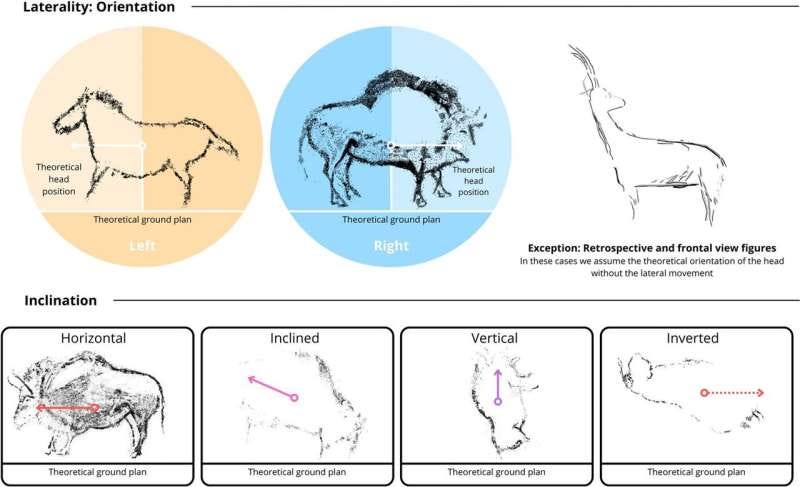
Animals in Prehistoric Paintings Reveal Hidden Pattern Across Nine Basque Caves — Analysis of 500 painted and engraved motifs in nine caves across Spain’s Basque Country suggests that Paleolithic artists followed a shared visual structure rather than arranging animals randomly. The works were created roughly 16,000–14,000 years ago during the Magdalenian period. Bison, horses, and goats generally occupied central positions within the compositions, while other animals were arranged around them. Orientation also followed a recurring pattern: horses usually faced right, while bison and most other species faced left. A few compositions reverse the entire arrangement, strengthening the case that direction carried symbolic meaning rather than simply reflecting right-handed artists’ preferences. The intended message remains unknown, but the consistent associations and positioning suggest that the images formed a kind of visual code or “syntax.” Their restriction to selected caves also indicates that the paintings had deliberate cultural or ceremonial importance.
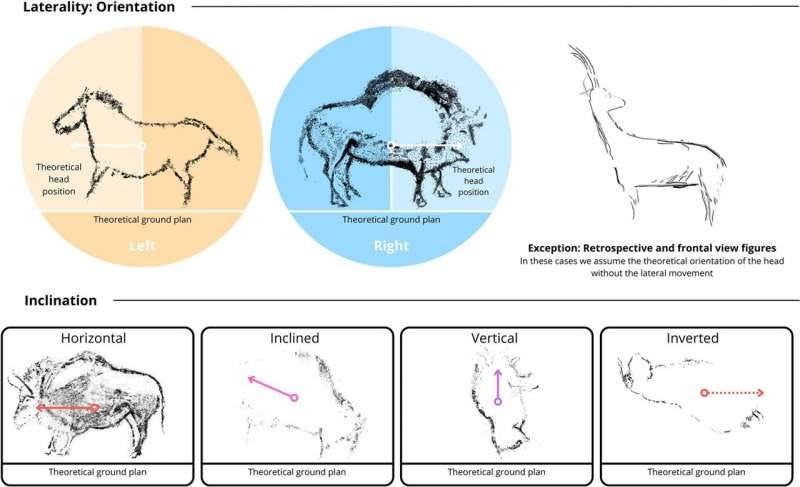
Image credit: Journal of Archaeological Method and Theory (2026). DOI: 10.1007/s10816-026-09796-y Ancient Egyptian Princesses Were ‘Powerful’ Weapon Users, New Analysis Suggests — Skeletal analysis of five women (some confirmed to be royal) buried at Dahshur, south of Cairo, around 1900 BCE suggests that some women may have trained with weapons and lived more physically active lives than traditionally assumed. Several sets of remains had gone largely unstudied for more than 130 years before being rediscovered in a Cairo museum basement in 2020. One woman was buried with an ornate bronze dagger decorated with gold and lapis lazuli, while muscle attachments in her hands and arms indicate habitual, forceful gripping consistent with using a dagger or mace. Another was buried with arrows and had a bowed hand bone and muscular forearms resembling changes associated with repeatedly drawing a bow. A third had healed injuries to her ribs and feet, suggesting a risky, active lifestyle. The weapons may therefore have been functional possessions rather than purely ceremonial grave goods, although critics caution that skeletal stress alone cannot prove participation in archery or combat.
Australian Cave Discovery Shows Grass Was Burned for Magic, Cures, and Curses for 25,000 Years — Microscopic plant remains from Cloggs Cave in GunaiKurnai Country, southeastern Australia, indicate that people carried whole grasses underground and burned them during ritual activities for as long as 25,000 years. Thousands of phytoliths were examined from pits measuring about 4.9 and 7.5 feet deep. Twenty-nine plant types were identified, but as many as 97% came from grasses, while up to 18% had been burned or melted. Stems, leaves, flowers, and roots were all present, showing that complete, mostly inedible plants were deliberately gathered rather than brought in as food. The upper deposits contained 73 thin ash layers dating from roughly 4,400 to 1,600 years ago and an 11-inch standing stone erected around 2,000 years ago. Deeper deposits also held trimmed Casuarina sticks coated with fat. The evidence matches oral traditions describing caves as places where spiritual practitioners conducted magic, healing, cursing, and ceremonies involving ash.
Gaulish Settlement Excavation Reveals Rare Statue and Ritual Sword — Excavations at Le Désert in Mettray, central France, revealed an unusually rich Late Iron Age farmstead occupied during the La Tène D1 period, around 150–80 BCE. The roughly 8.6-acre site contained a planned 3-acre residential enclosure surrounded by three ditches, with separate domestic, agricultural, and craft areas, several buildings, field boundaries, and drainage systems. Finds show that residents smelted iron, milled grain, wove textiles, prepared food, and processed animals, with an unusual emphasis on horse butchery during the earliest occupation phase. A weathered limestone human figure, about 19 inches tall and weighing more than 40 pounds, was deliberately placed in a ditch near fragments of a human skull. An iron sword was also deposited in its scabbard after being intentionally bent and rendered unusable. Both objects may have been used in ceremonies marking changes at—or the eventual abandonment of—the settlement.
Introducing Fish Into Mountain Lakes 7,000 Years Ago: “It Was a Form of Simple Fish Farming” — Four wooden fish traps discovered in Lake Tesse, around 2,790 feet above sea level in Jotunheimen, eastern Norway, show that Stone Age communities introduced trout to mountain waters by about 5000 BCE. The fish could not have passed waterfalls downstream, so people likely transported them gradually upriver, perhaps in watertight animal-hide bags, allowing populations to establish before moving them higher. The oldest worked poles date to 5000 BCE, and 113 timber samples indicate the trapping complex remained in use for at least 2,300 years. Individual traps contained about 40–50 poles, woven branches forming a catch chamber, and a fence that guided fish into shallow water where they could be scooped up from boats or while wading. Poles within one trap were felled 12 years apart, showing maintenance over generations. The project required long-term planning and cooperation and provided reliable food alongside reindeer hunting, allowing larger groups to remain in the mountains longer.
That’s it for the free Top 5! If you’re a free subscriber, sign up for the paid plan for another 20 discoveries and 3 recommended pieces of content.
Until next time, thanks for joining me!
-James
Twitter: @jamesofthedrum
P.S. Here’s my Buy Me A Coffee link if you’d like to support my efforts with a donation.
P.P.S. If you want access to the paid version but it’s a little too steep for you right now, just email me — I want this to be accessible.
P.P.P.S. Paid members, read on!
