

Happy Saturday, my friends. Not much ado today. In fact, zero ado. Let’s get right into it.
Here’s the latest ancient news. 👇
🗞 Ancient News: Top 5
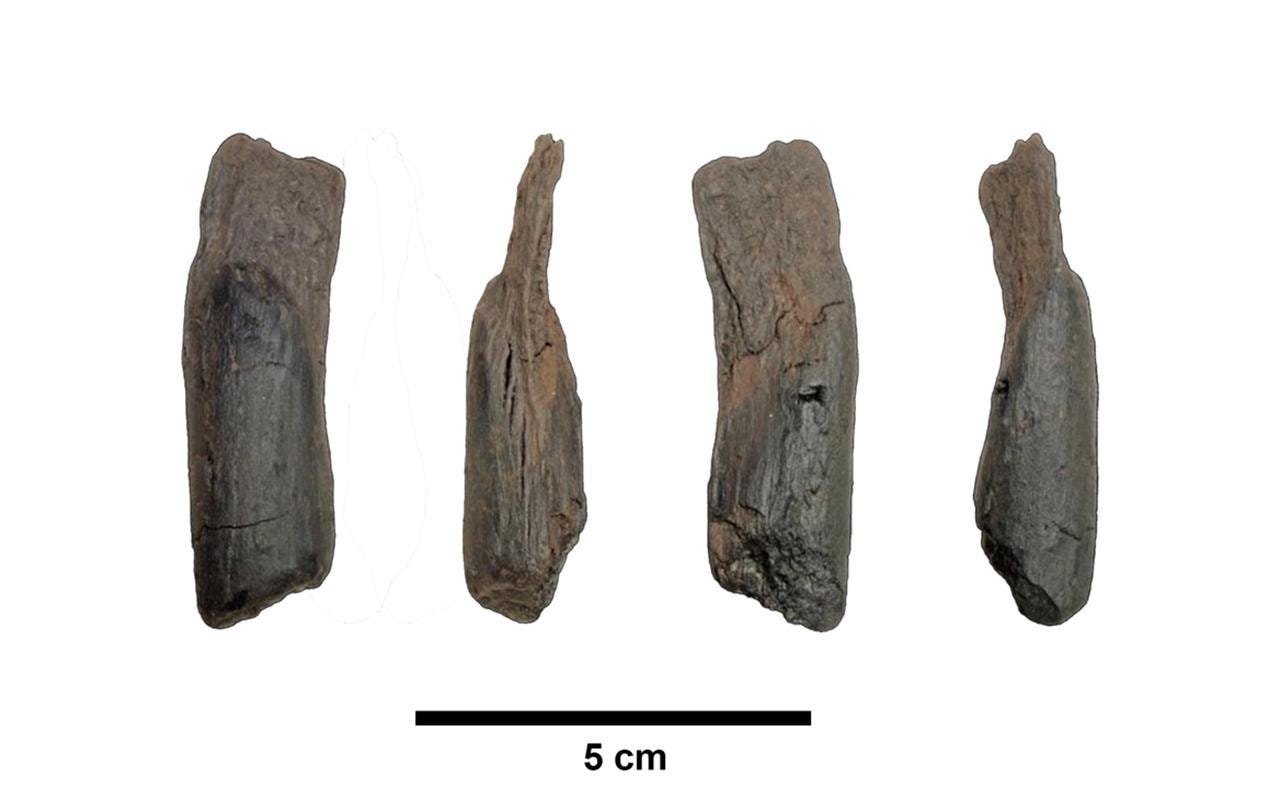
430,000-Year-Old Well-Preserved Wooden Tools Are the Oldest Ever Found — At the lakeshore site of Marathousa 1 in the Megalopolis Basin of southern Greece, archaeologists have identified the oldest known handheld wooden tools, dated to about 430,000 years ago during the Middle Pleistocene. Waterlogged, low-oxygen sediments preserved fragile wood normally lost to decay. Among dozens of fragments, two showed clear signs of shaping and use. One alder tool bears stone-cut marks and rounded wear consistent with a digging stick used to loosen wet soil or extract plant foods near the lake. A second, much smaller piece made from willow or poplar displays carved edges and smoothing from repeated handling, suggesting a finger-held implement used for fine tasks such as adjusting stone flakes during toolmaking. A third alder fragment preserves deep parallel claw marks likely made by a large carnivore, probably a bear, indicating predators and humans both exploited the same lakeshore environment where elephant carcasses were processed. The finds push the record for shaped wooden handheld tools back by at least 40,000 years, highlighting advanced material knowledge and diverse tool use by early humans.
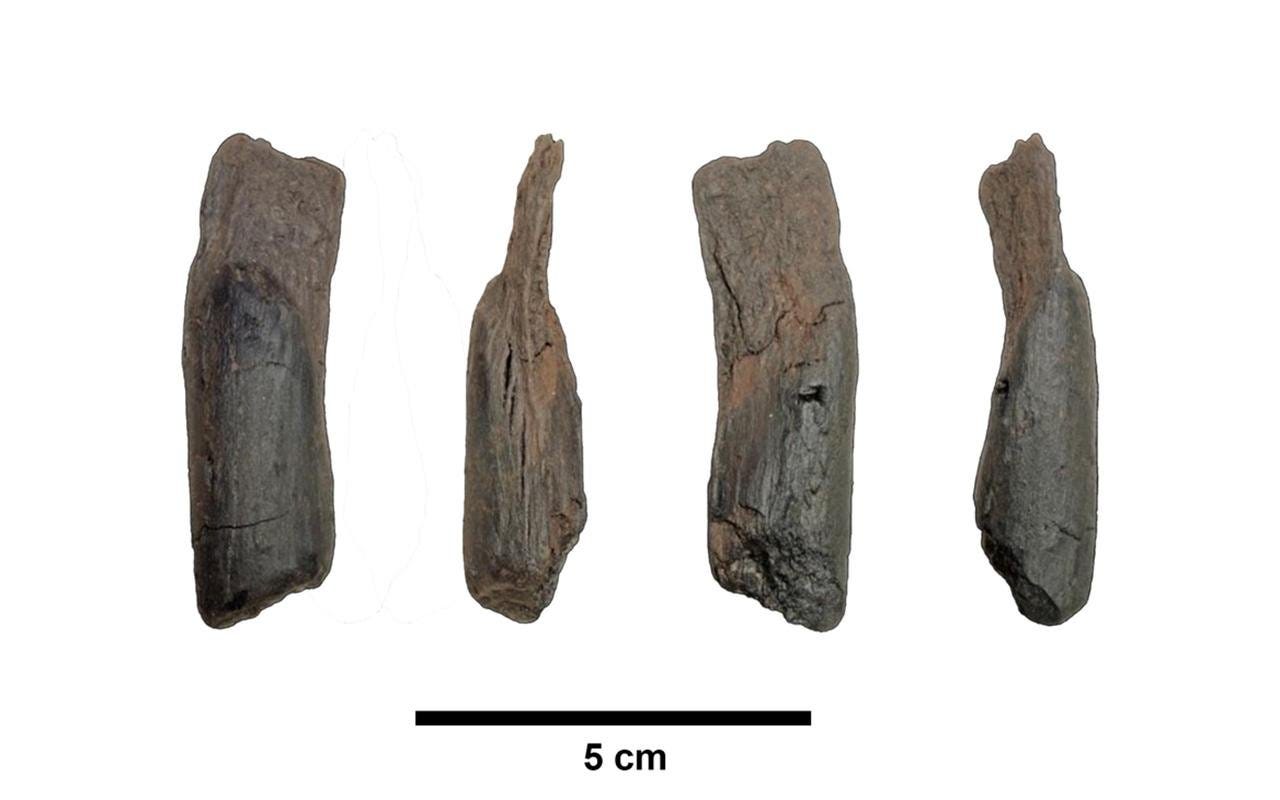
Image credit: Photograph by N. Thompson, © K. Harvati A Century-Old Stonehenge Mystery May Finally Be Solved — New mineral “fingerprinting” analyses of sediments around Stonehenge in southern England find no geological evidence that ancient glaciers ever reached the monument’s site, undermining a longstanding theory that ice moved the famous bluestones. Instead, microscopic zircon and apatite grains—or their absence—point toward deliberate human transport of these massive stones from their distant sources. While the exact method—overland hauling or waterborne transport—remains unresolved, the absence of glacial signatures lends strong support to intentional prehistoric movement, highlighting advanced planning and effort behind Neolithic monument construction.
Discovery of Monumental Sacred Lake at Karnak — Archaeologists working within the Karnak Temple Complex in Luxor, Egypt, have revealed a previously unknown sacred lake measuring about 50 square meters (540 sq ft) within the precinct. Unlike ordinary water features, this constructed stone basin aligns with known ritual purification practices tied to Egyptian religious concepts of primordial waters and daily cultic use inside temple contexts. Its confirmation completes the picture of sacred water infrastructure at one of the world’s most significant ancient religious sites and offers new evidence for understanding how water shaped temple spatial organization and ritual in ancient Egyptian theology.
Hafted Stone Tools Dating Back 160,000 Years Identified in China — At the Xigou site in Henan Province, central China, archaeologists have uncovered more than 2,600 stone artifacts dating between roughly 160,000 and 72,000 years ago that show evidence of sophisticated manufacture and hafting—attachment to handles or shafts. These tools include finely retouched small flakes and formal implements created with systematic methods, indicating advanced planning, craftsmanship, and an understanding of composite tool design much earlier than previously known for the region. This challenges earlier views about East Asian Paleolithic technology being simple, suggesting that hominins here were capable of innovative problem-solving and complex behaviors during the Middle Pleistocene.
South African San Art Reveals Trance Dances and Initiation Ceremonies — A systematic review of rock art across South Africa shows that dance scenes were a prominent motif among the San hunter-gatherers, revealing aspects of social and ritual life. The imagery includes trance dances—figures in circles with clapping and singing, bent postures, and symbolic elements such as dancing sticks and partial animal transformations—suggesting extended ritual performance and healing contexts. Girls’ initiation dances (often linked to eland symbolism) also appear, with depictions of women in coordinated movement, while male initiation rituals are rare, possibly due to secrecy. Some panels might depict entertainment dances, indicating shared social occasions alongside ceremonial practices. These depictions enrich our understanding of how the San encoded belief, identity, and community gatherings in durable rock art.
That’s it for the free Top 5! If you’re a free subscriber, sign up for the paid plan for another 24 discoveries and 3 recommended pieces of content covering mega-site cities, Halley’s Comet, and the syphilis.
Until next time, thanks for joining me!
-James
Twitter: @jamesofthedrum
P.S. Here’s my Buy Me A Coffee link if you’d like to support my efforts with a donation.
P.P.S. If you want access to the paid version but it’s a little too steep for you right now, just email me — I want this to be accessible.
P.P.P.S. Paid members, read on!
